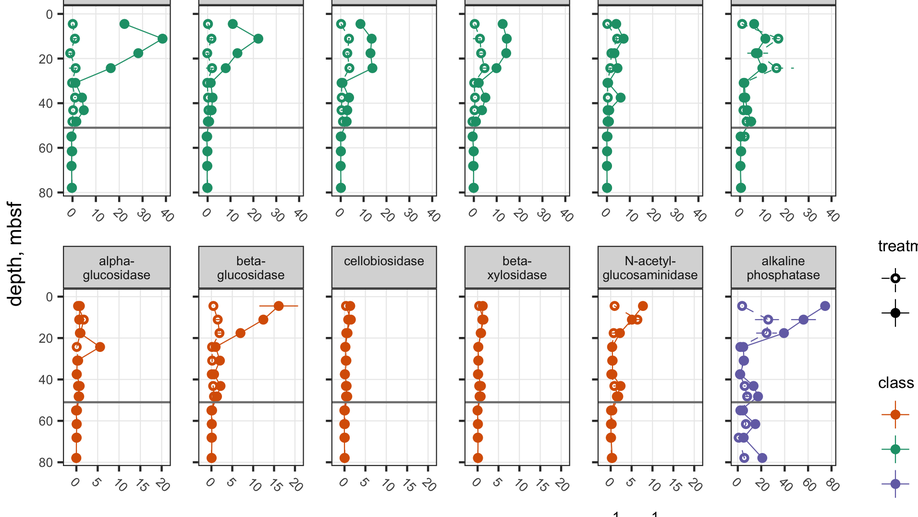
Heterotrophic microorganisms in marine sediments produce extracellular enzymes to hydrolyze organic macromolecules, so their products can be transported inside the cell and used for energy and growth. Therefore, extracellular enzymes may mediate the fate of organic carbon in sediments. The Baltic Sea Basin is a primarily depositional environment with high potential for organic matter preservation. The potential activities of multiple organic carbon-degrading enzymes were measured in samples obtained by the International Ocean Discovery Program Expedition 347 from the Little Belt Strait, Denmark, core M0059C. Potential maximum hydrolysis rates (Vmax) were measured at depths down to 77.9mbsf for the following enzymes: alkaline phosphatase, β-D-xylosidase, β-D-cellobiohydrolase, N-acetyl-β-D-glucosaminidase, β-glucosidase, α-glucosidase, leucyl aminopeptidase, arginyl aminopeptidase, prolyl aminopeptidase, gingipain, and clostripain. Extracellular peptidase activities were detectable at depths shallower than 54.95mbsf, and alkaline phosphatase activity was detectable throughout the core, albeit against a relatively high activity in autoclaved sediments. β-glucosidase activities were detected above 30mbsf; however, activities of other glycosyl hydrolases (β-xylosidase, β-cellobiohydrolase, N-acetyl-β-glucosaminidase, and α-glucosidase) were generally indistinguishable from zero at all depths. These extracellular enzymes appear to be extremely stable: Among all enzymes, a median of 51.3% of enzyme activity was retained after autoclaving for an hour. We show that enzyme turnover times scale with the inverse of community metabolic rates, such that enzyme lifetimes in subsurface sediments, in which metabolic rates are very slow, are likely to be extraordinarily long. A back-of-the-envelope calculation suggests enzyme lifetimes are, at minimum, on the order of 230days, and may be substantially longer. These results lend empirical support to the hypothesis that a population of subsurface microbes persist by using extracellular enzymes to slowly metabolize old, highly degraded organic carbon.
A recent paper by Martiny argues that “high proportions” of bacteria in diverse Earth environments have been cultured. Here we reanalyze a portion of the data in that paper, and argue that the conclusion is based on several technical errors, most notably a calculation of sequence similarity that does not account for sequence gaps, and the reliance on 16S rRNA gene amplicons that are known to be biased towards cultured organisms. We further argue that the paper is also based on a conceptual error: namely, that sequence similarity cannot be used to infer “culturability” because one cannot infer physiology from 16S rRNA gene sequences. Combined with other recent, more reliable studies, the evidence supports the conclusion that most bacterial and archaeal taxa remain uncultured.
Anoxic subsurface sediments contain communities of heterotrophic microorganisms that metabolize organic carbon at extraordinarily slow rates. In order to assess the mechanisms by which subsurface microorganisms access detrital sedimentary organic matter, we measured kinetics of a range of extracellular peptidases in anoxic sediments of the White Oak River estuary, NC. Nine distinct peptidase substrates were enzymatically hydrolyzed at all depths. Potential peptidase activities (Vmax) decreased with increasing sediment depth, although Vmax expressed on a per cell basis was approximately the same at all depths. Half-saturation constants (Km) decreased with depth, indicating peptidases that functioned more efficiently at low substrate concentrations. Potential activities of extracellular peptidases acting on molecules that are enriched in degraded organic matter (D-phenylalanine and L-ornithine) increased relative to enzymes that act on L-phenylalanine, further suggesting microbial community adaptation to access degraded organic matter. Nineteen classes of predicted, exported peptidases were identified in genomic data from the same site, of which genes for class C25 (gingipain-like) peptidases represented more than 40% at each depth. Methionine aminopeptidases, zinc carboxypeptidases, and class S24-like peptidases, which are involved in single-stranded DNA repair, were also abundant. These results suggest a subsurface heterotrophic microbial community that primarily accesses low-quality detrital organic matter via a diverse suite of well-adapted extracellular enzymes.
Climate warming threatens Arctic permafrost with seasonal cycles of freezing and thawing. Arctic soil microorganisms regulate carbon stocks and green house gas exchanges with the atmosphere, yet their precise seasonal growth and dormancy dynamics, and their responses to permafrost thaw, are not well understood. We thawed frozen Svalbard active layer soil and traced microbial growth using DNA quantitative stable isotope probing with H 18O. We observed temporal growth pat terns resulting in distinct early (21-day) and late-stage (98-day) growing microbial populations. In particular, Acidobacteriota, Actinobacteriota, Bacteroidota, Proteobacte ria, and predatory and epibiont bacterial taxa (such as those affiliated to Bdellovibrio nota and Patescibacteria) were identified in the soil active layer as clades that were growing following thawing. Methane concentrations in our microcosms remained low, yet pmoA genes were 18O-labeled, indicating growth of aerobic methane-oxidizing bacteria. Approximately half of the microbial taxa detected did not grow, suggesting that Arctic soils constitute sizeable reservoirs of dormant microorganisms. Our results reveal complex and temporal microbial dormancy, growth, death, predation, and parasitism dynamics in seasonally changing Arctic soils. These processes likely regulate the exchange and storage of soil carbon across the increasingly vulnerable Arctic region.
Phosphorus (P) recycling in seawater is critical for maintaining nutrient availability and marine primary productivity. This process is catalyzed by alkaline phosphatases enzymes, which hydrolyze dissolved organic phosphorus (DOP) compounds, releasing inorganic P for cellular assimilation. Here, we reconstructed the evolutionary history of three major alkaline phosphatase families through deep time using phylogenetic reconciliation across the tree of life. We further quantified their distribution and cellular localization across major metabolic groups using extant genomes to assess how the ocean’s capacity for P regeneration has changed through time. Our results demonstrate that alkaline phosphatases emerged early in the Archaean, indicating that DOP has sustained marine ecosystems for most of Earth’s history. A pronounced expansion and diversification of alkaline phosphatases occurred during the Neoproterozoic, coinciding with the rise and ecological diversification of algae. Across metabolic groups, extracellular alkaline phosphatases are particularly concentrated in ferric iron reducers, fermenters, and aerobic heterotrophs, but are comparatively rare in other metabolisms. This distribution suggests that the efficiency of marine P recycling has been strongly influenced by prevailing metabolic strategies and environmental redox conditions. Overall, our results provide new insights into the enzymatic drivers of marine P cycling and the mechanisms that maintained marine productivity as Earth’s surface became progressively oxygenated and biologically complex. (which was not certified by peer review) is the author/funder, who has granted bioRxiv a license to display the preprint in perpetuity. It is made 3
Subsurface microbiology is at a crossroads, evolving from asking ‘who’s home’ to seeking clarity on microbes’ functionality and the key processes that constrain subsurface life. Importantly, the processes subsurface microorganisms mediate are central to societal needs to mitigate climate change and address waste storage, as proposed solutions to both involve subsurface habitats. However, subsurface sampling opportunities and funding remain limited and, in some cases, have diminished. This perspective article is aimed at scientists who have or might develop an interest in the geomicrobiology of the subsurface, for funding agencies worldwide, and for scientists and engineers engaged in the extractive and waste disposal industries. It briefly reviews subsurface science’s history and current status and proposes some actions for moving forward. In particular, we see the continued need for engaging early-career microbiologists in drilling projects, increasing access through industry partnerships, microbiology-led drilling projects, and creating interdisciplinary drilling projects by including microbiologists during the drilling project planning.
Denitrification accounts for a substantial nitrogen loss from environmental systems, shifting microbial composition and impacting other biogeochemical cycles. In Antarctica, rising temperatures cause increased organic matter deposition in marine sediments, which can significantly alter microbially mediated denitrification. To examine the genetic potential of microorganisms driving N-cycling in these sediments, benthic sediment cores were collected at two sites in the Weddell Sea, Antar ctica. DN A was extr acted fr om m ultiple depths at each site, resulting in the reconstruction of high-quality metagenome-assembled genomes (MAGs). F orty-se ven of these MAGs contained reductases involved in denitrification. MAGs belonging to the genus Meth yloceanibacter w ere the most abundant MAGs at both sites and all de pths, exce pt de pth 3–6 cmbsf at one site, wher e they wer e not identified. The a bundance of these Methyloceanibacter MAGs suggests the potential for nitrate-dri v en methanol oxidation at both sites. MAGs belonging to Beggiatoaceae and Sedimenticolaceae were found to have the genetic potential to produce intermediates in denitrification and the complete pathway for dissimilatory nitrate reduction to ammonia. MAGs within Acidimicrobiia and Dadabacteria had the potential to complete the final denitrification step. Based on MAGs, Antarctic peninsula sediment communities have the potential for complete denitrification and dissimilatory nitrate reduction to ammonia via a consortium. Ke yw ords: Acidimicrobiia; Beggiatoaceae ; metagenomics; Methyloceanibacter ; nitrogen cycling; Sedimenticolaceae
Most microbial taxa on Earth remain uncultivated, limiting our ability to study their physiology, ecology, and roles in environmental processes. Although metagenome-assembled genomes (MAGs) have expanded access to uncultured phylogenetic diversity, the functional basis for culturability remains poorly understood. Here, we analyze the 52,515 MAGs from the Genomes from Earth’s Microbiomes (GEM) catalog to test two hypotheses: 1) genomes from uncultured microbes encode more functionally novel genes than those from cultured taxa, and 2) specific genomic features are systematically associated with culturability across phyla. To assess functional novelty, we aligned predicted proteins to SwissProt and measured sequence dissimilarity to the nearest curated homolog. We find that uncultured MAGs, particularly among Archaea, harbor substantially more divergent proteins. To identify genomic traits predictive of culturability, we combined pathway-level enrichment with LASSO regression and permutation-32 based feature importance. Cultured MAGs were consistently enriched in Clusters of Orthologous Groups (COG) pathways related to vitamin and cofactor biosynthesis (e.g., thiamine, folate, B12), energy metabolism (e.g., TCA cycle), and CRISPR-Cas systems—functions often depleted in uncultured counterparts. LASSO models identified a subset of these pathways as strong predictors of cultured status even in poorly sampled phyla, suggesting conserved genomic signatures of culturability. In contrast, pathways such as purine biosynthesis and NADH dehydrogenase were associated with uncultured lineages, highlighting potential barriers to cultivation. These results 1) demonstrate the great functional novelty of uncultured microbes, potentially offering unprecedented opportunities for…
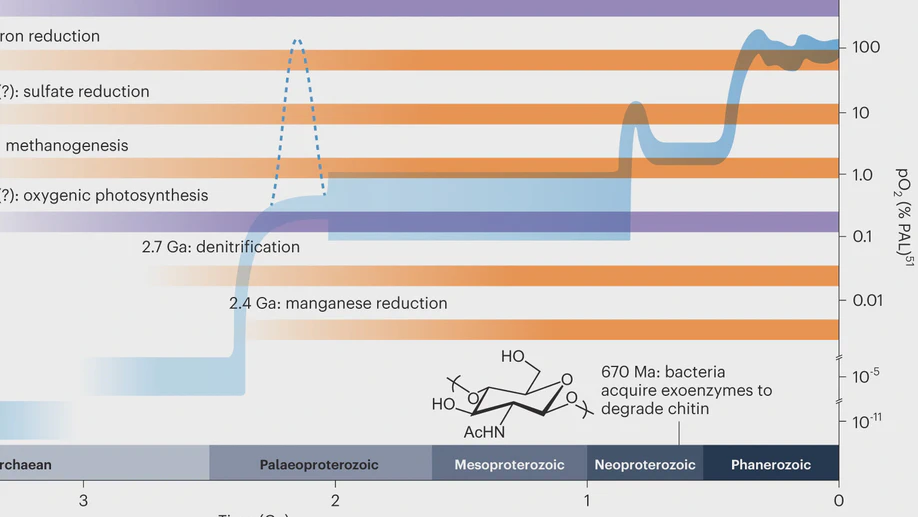
Microbial exoenzymes—extracellular enzymes secreted to degrade complex organic polymers—29 are essential for recycling carbon and nutrients, thus sustaining primary productivity in today’s oceans1. Yet, their evolutionary history and role in shaping Earth’s early biosphere remain entirely unexplored. Here , we trace the origins of microbial exoenzymes and reveal their previously unrecognized role in driving planetary oxygenation. Our results show that exoenzymes are more common in microorganisms utilizing high-energy metabolisms, likely reflecting the energetic costs of enzyme biosynthesis and secretion. They are especially advantageous in environments rich in particulate organic matter (POM). A refined carbon cycle model indicates that early Archean oceans offered few such habitats , as low productivity and intense UV radiation rapidly photodegraded POM. However, with a Paleoproterozoic rise of atmospheric oxygen 2, increased oxidative weathering boosted marine primary productivity and POM accumulation3, creating conditions favoring exoenzyme evolution. Molecular clock analyses further indicate that alkaline phosphatase, a key phosphorus-releasing exoenzyme, had likely emerged with the permanent rise of oxygen, enabling more efficient phosphorus recycling. We propose that exoenzymes initiated a positive feedback loop: by accelerating nutrient regeneration, they fueled cyanobacterial productivity and oxygen release, which in turn favored greater exoenzyme capacity , reinforcing long-term oxygenation of the planet. (which was not certified by peer review) is the author/funder, who has granted bioRxiv a license to display the preprint in perpetuity. It is made Main Microorganisms are central to the cycling of carbon, nitrogen, and phosphorus on Earth through 47
Permafrost soil is characterized by prolonged freezing conditions. Thermophilic microbes have been discovered in various permanently cold environments, including permafrost, where they can persist for extended periods. The reason for this apparent mismatch between microbial adaptations and environmental conditions is unclear. Here, we test the hypothesis that thermophilic traits provide selective advantage to extremely slow-growing microbes, even in cold temperatures. We used a computational approach to predict optimal growth rates and several measures of thermophilicity in metagenome-assembled genomes (MAGs) from permafrost and active layer soils in diverse cold regions. We find that in permafrost, where available energy is always low, measures of thermophilicity correlate positively with minimum doubling time, indicating that slow growers in permafrost have more thermophilic traits. This trend is reversed in microbes in active layer soil, in which seasonal thawing, temperature changes, and episodic rain events allow periodic fast growth. Similar trends were observed in the relationship between optimal growth rates and the optimal temperature of nucleoside diphosphate kinase (NDPK), an enzyme whose temperature optimum is known to be correlated to optimal growth temperatures of the host organism. Thermophilic traits within slow growers appear to be environmentally rather than phylogenetically constrained, and thermophilic slow growers share few horizontal gene transfers with other permafrost microbes. These findings suggest that the presence of thermophilic traits in slow-growers appears to be an adaptation to extreme slow growth in a persistently low-energy environment. 38 was not certified by peer review) is the author/funder, who has granted bioRxiv a license to…
Accurate estimation of microbial growth rates is essential for un- derstanding microbial life strategies, their ecological roles, and cultivation potential. Existing computational methods that infer growth rates—particularly minimum doubling times—using codon usage bias (CUB) often struggle with low accuracy for slow-growing microbes. Here, we present a novel transformer-based deep learning model called LookingGlass tailored for microbial genomes to pre- dict doubling times directly from genomic features. Fine-tuned on ri- bosomal protein-coding genes, our model consistently outperforms the widely used CUB-based estimator gRodon, achieving higher predictive accuracy and stronger correlations with experimentally measured growth rates. We further compareLookingGlass to Evo , a general-purpose DNA language model with greater context length, and show that microbial-specific pretraining yields superior perfor- mance. Analysis of 25,000+ microbial genomes from the “Genomes from Earth’s Microbiomes” (GEM) catalog reveals persistent culti- vation biases toward fast-growing taxa across environments and lineages. Our model highlights the potential of transformer archi- tectures for genome-based growth rate prediction and provides a powerful new tool for identifying microbes with high or low cultivation potential in metagenomic datasets. CCS Concepts •Applied computing → Computational genomics; Bioinfor- matics; •Computing methodologies → Information extrac- tion.
Arctic soil microbial communities may shift with increasing temperatures and water availability from climate change. We examined temperature and volumetric liquid water content (VWC) in the upper cm of permafrost- affected soil over years (2018 – 2019) at the Bayelva monitoring station, Ny Å lesund, Svalbard. We show VWC increases with depth, whereas in situ temperature is more stable vertically, ranging from � ◦ C to ◦ C seasonally. Prokaryotic metagenome-assembled genomes (MAGs) were obtained at – cm vertical resolution collected while frozen in April and at cm vertical resolution collected while thawed in September 2019. The most abundant MAGs were Acidobacteriota , Actinomycetota , and Chloroflexota . Actinomycetota and Chloroflexota in- crease with depth, while Acidobacteriota classes Thermoanaerobaculia Gp7-AA8, Blastocatellia UBA7656, and Vicinamibacteria Vicinamibacterales are found above cm, below cm, and below cm, respectively. All MAGs have diverse carbon-degrading genes, and Actinomycetota and Chloroflexota have autotrophic genes. Genes encoding β -glucosidase, N-acetyl- β -D-glucosaminidase, and xylosidase increase with depth, indicating a greater potential for organic matter degradation with higher VWC. Acidobacteriota dominate the top cm with their classes segregating by depth, whereas Actinomycetota and Chloroflexota dominate below ~6 cm. This suggests that Acidobacteriota classes adapt to lower VWC at the surface, while Actinomycetota and Chloroflexota persist below cm with higher VWC. This indicates that VWC may be as important as temperature in microbial climate change responses in Arctic mineral soils. Here we describe MAG-based Seqcode type species in the Acid- obacteriota , Onstottus arcticum, Onstottus frigus , and Gilichinskyi gelida and in the…
Bacterial chromosomal type I toxin-antitoxin systems consist of a small protein, typically under amino acids, and a small RNA (sRNA) that represses toxin translation. These gene pairs have gained attention over the last decade for their contribution to antibiotic persistence and phage tolerance in bacteria. However, biological functions for many remain elusive as gene deletions often fail to produce an observable phenotype. For many pairs, it is still unknown when the toxin and/or antitoxin gene are natively expressed within the bacterium. We examined sequence conservation of three type I toxin-antitoxin systems, tisB/istR-1, shoB/ohsC, and zor/orz, in over 2,000 Escherichia coli strains, including pathogenic and commensal isolates. Using our custom database, we found that these gene pairs are widespread across E. coli and have expression potential via BLASTn. We identified an alternative, dominant sequence variant of TisB and confirmed that it is toxic upon overproduction. Additionally, analyses revealed a highly conserved sequence in the zorO mRNA untranslated region that is required for full toxicity. We further noted that over 30% of E. coli genomes contain an orz antitoxin gene only and confirmed its expression in a representative strain: the first confirmed report of a type I antitoxin without its cognate toxin. Our results add to our understanding of these systems, and our methodology is applicable for other type I loci to identify critical regulatory and functional features.
The Amazon River mobilizes organic carbon across one of the world’s largest terrestrial carbon reservoirs. Quantifying the sources of particulate organic carbon (POC) to this flux is typically challenging in large systems such as the Amazon River due to hydrodynamic sorting of sediments. Here, we analyze the composition of POC collected from multiple total suspended sediment (TSS) profiles in the mainstem at Óbidos, and surface samples from the Madeira, Solimões and Tapajós Rivers. As hypothesized, TSS and POC concentrations in the mainstem increased with depth and fit well to Rouse models for sediment sorting by grain size. Coupling these profiles with Acoustic Doppler Current Profiler discharge data, we estimate a large decrease in POC flux (from to kg per second) between the rising and falling stages of the Amazon River mainstem. The C/N ratio and stable and radiocarbon signatures of bulk POC are less variable within the cross‐ section at Óbidos and suggest that riverine POC in the Amazon River is predominantly soil‐derived. However, smaller shifts in these compositional metrics with depth, including leaf wax n ‐alkanes and fatty acids, are consistent with the perspective that deeper and larger particles carry fresher, less degraded organic matter sources (i.e., vegetation debris) through the mainstem. Overall, our cross‐sectional surveys at Óbidos highlight the importance of depth‐specific sampling for estimating riverine export fluxes. At the same time, they imply that this approach to sampling is perhaps less essential with respect to characterizing the composition of POC sources exported by the river. Plain Language Summary The Amazon River transports one of the largest quantities of freshwater organic carbon into the Atlantic Ocean. In this study, we collected…
Microbial communities in terrestrial geothermal systems often contain chemolithoautotrophs with well-characterized distributions and metabolic capabilities. However, the extent to which organic matter produced by these chemolithoautotrophs supports heterotrophs remains largely unknown. Here we compared the abundance and activity of peptidases and carbohydrate active enzymes (CAZymes) that are predicted to be extracellular identified in metagenomic assemblies from springs in the Central American and the Andean convergent margin, as well as the plume-influenced spreading center in Iceland. All assemblies contain two orders of magnitude more peptidases than CAZymes, suggesting that the microorganisms more often use proteins for their carbon and/or nitrogen acquisition instead of complex sugars.
Large-scale data often suffer from the curse of dimensionality and the constraints associated with it; therefore, dimensionality reduc- tion methods are often performed prior to most machine learning pipelines. In this paper, we directly compare autoencoders perfor- mance as a dimensionality reduction technique (via the latent space) to other established methods: PCA, LASSO, and t-SNE. To do so, we use four distinct datasets that vary in the types of features, meta- data, labels, and size to robustly compare different methods. We test prediction capability using both Support Vector Machines (SVM) and Random Forests (RF). Significantly, we conclude that autoen- coders are an equivalent dimensionality reduction architecture to the previously established methods, and often outperform them in both prediction accuracy and time performance when condensing large, sparse datasets. CCS CONCEPTS •Computing methodologies → Feature selection; Cross-validation; Supervised learning by classification; Learning latent repre- sentations; Classification and regression trees; Support vector machines.
Heterotrophic microorganisms in marine sediments produce extracellular enzymes to hydrolyze organic macromolecules, so their products can be transported inside the cell and used for energy and growth. Therefore, extracellular enzymes may mediate the fate of organic carbon in sediments. The Baltic Sea Basin is a primarily depositional environment with high potential for organic matter preservation. The potential activities of multiple organic carbon-degrading enzymes were measured in samples obtained by the International Ocean Discovery Program Expedition 347 from the Little Belt Strait, Denmark, core M0059C. Potential maximum hydrolysis rates (Vmax) were measured at depths down to 77.9mbsf for the following enzymes: alkaline phosphatase, β-D-xylosidase, β-D-cellobiohydrolase, N-acetyl-β-D-glucosaminidase, β-glucosidase, α-glucosidase, leucyl aminopeptidase, arginyl aminopeptidase, prolyl aminopeptidase, gingipain, and clostripain. Extracellular peptidase activities were detectable at depths shallower than 54.95mbsf, and alkaline phosphatase activity was detectable throughout the core, albeit against a relatively high activity in autoclaved sediments. β-glucosidase activities were detected above 30mbsf; however, activities of other glycosyl hydrolases (β-xylosidase, β-cellobiohydrolase, N-acetyl-β-glucosaminidase, and α-glucosidase) were generally indistinguishable from zero at all depths. These extracellular enzymes appear to be extremely stable: Among all enzymes, a median of 51.3% of enzyme activity was retained after autoclaving for an hour. We show that enzyme turnover times scale with the inverse of community metabolic rates, such that enzyme lifetimes in subsurface sediments, in which metabolic rates are very slow, are likely to be extraordinarily long. A back-of-the-envelope calculation suggests enzyme lifetimes are, at minimum, on the order of 230days, and may be substantially longer. These results lend empirical support to the hypothesis that a population of subsurface microbes persist by using extracellular enzymes to slowly metabolize old, highly degraded organic carbon.
Microbial-mediated nitrate removal from groundwater is widely recognized as the predominant mechanism for nitrate attenuation in contaminated aquifers and is largely dependent on the presence of a carbon-bearing electron donor. The repeated exposure of a natural microbial community to an electron donor can result in the sustained ability of the community to remove nitrate; this phenomenon has been clearly demonstrated at the laboratory scale. However, in situ demonstrations of this ability are lacking. For this study, ethanol (electron donor) was repeatedly injected into a groundwater well (treatment) for six consecutive weeks to establish the sustained ability of a microbial community to remove nitrate. A second well (control) located upgradient was not injected with ethanol during this time. The treatment well demonstrated strong evidence of sustained ability as evident by ethanol, nitrate, and subsequent sulfate removal up to 21, 64, and 68%, respectively, as compared to the conservative tracer (bromide) upon consecutive exposures. Both wells were then monitored for six additional weeks under natural (no injection) conditions. During the final week, ethanol was injected into both treatment and control wells. The treatment well demonstrated sustained ability as evident by ethanol and nitrate removal up to and 21%, respectively, as compared to bromide, whereas the control did not show strong evidence of nitrate removal (5% removal). Surprisingly, the treatment well did not indicate a sustained and selective enrichment of a microbial community. These results suggested that the predominant mechanism(s) of sustained ability likely exist at the enzymatic- and/or genetic-levels. The results of this study demonstrated the in situ ability of a microbial community to remove…
6 Theory predicts that functional redundancy in microbial communities increases trait stability, meaning that traits or functions are less likely to be lost from the community when species go extinct. However, few experiments have empirically tested this prediction, especially in the context of microbial communities and at the landscape scale. In part, the lack of metrics for functional redundancy in microbial ecosystems has prevented addressing this question. In a companion manuscript we proposed a quantitative metric for functional redundancy called Contribution Evenness (CE) that is optimized to reflect trait stability. Here, we use CE to predict the stability of marine microbial functions to species and transcription loss. Using transcriptomes deposited in the Ocean Microbial Reference Gene Catalog (OM-RGC.v2), a catalog of genes and transcripts sequenced by the TARA Ocean expedition, we quantified the functional redundancy for 4,314 KEGG Orthologs (KOs) across marine sites. Functional redundancy was highly correlated with a latent variable consisting of four ocean physiochemical parameters: oxygen and chlorophyll a concentrations, depth, and salinity. Functional redundancy was higher at the poles than in non-polar regions. Simultaneously, regional β-diversity for individual functions was higher for functions with higher functional redundancy. These observations provide evidence that higher functional redundancy indicates increased stability of microbial ecosystem functions on spatiotemporal scales consistent with surface ocean mixing. We suggest that future changes in ocean physiochemistry could likely influence this stability for functions with lower functional redundancy. (which was not certified by peer review) is the author/funder, who has granted bioRxiv a…
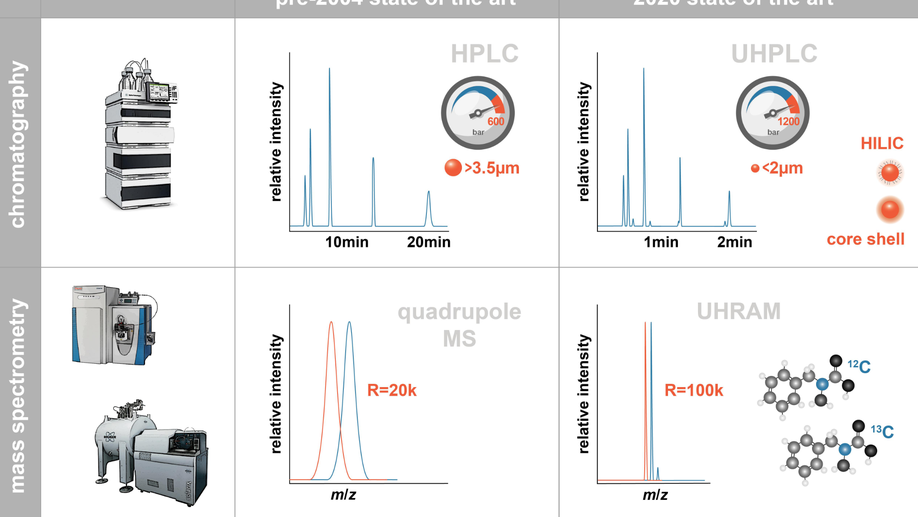
Advances in sampling tools, analytical methods, and data handling capabilities have been fundamental to the growth of marine organic biogeochemistry over the past four decades. There has always been a strong feedback between analytical advances and scientific advances. However, whereas advances in analytical technology were often the driving force that made possible progress in elucidating the sources and fate of organic matter in the ocean in the first decades of marine organic biogeochemistry, today process-based scientific questions should drive analytical developments. Several paradigm shifts and challenges for the future are related to the intersection between analytical progress and scientific evolution. Untargeted “molecular headhunting” for its own sake is now being subsumed into process-driven targeted investigations that ask new questions and thus require new analytical capabilities. However, there are still major gaps in characterizing the chemical composition and biochemical behavior of macromolecules, as well as in generating reference standards for relevant types of organic matter. Field-based measurements are now routinely complemented by controlled laboratory experiments and in situ rate measurements of key biogeochemical processes. And finally, the multidisciplinary investigations that are becoming more common generate large and diverse datasets, requiring innovative computational tools to integrate often disparate data sets, including better global coverage and mapping. Here, we compile examples of developments in analytical methods that have enabled transformative scientific advances since 2004, and we project some challenges and opportunities in the near future. We believe that addressing these challenges and capitalizing on these opportunities will ensure continued progress in understanding the cycling of organic carbon in the ocean.
The assembly of single-amplified genomes (SAGs) and metagenome-assembled genomes (MAGs) has led to a surge in genome-based discoveries of members affiliated with Archaea and Bacteria, bringing with it a need to develop guidelines for nomenclature of uncultivated microorganisms. The International Code of Nomenclature of Prokaryotes (ICNP) only recognizes cultures as ‘type material’, thereby preventing the naming of uncultivated organisms. In this Consensus Statement, we propose two potential paths to solve this nomenclatural conundrum. One option is the adoption of previously proposed modifications to the ICNP to recognize DNA sequences as acceptable type material; the other option creates a nomenclatural code for uncultivated Archaea and Bacteria that could eventually be merged with the ICNP in the future. Regardless of the path taken, we believe that action is needed now within the scientific community to develop consistent rules for nomenclature of uncultivated taxa in order to provide clarity and stability, and to effectively communicate microbial diversity.
Organic carbon in marine sediments is a critical component of the global carbon cycle, and its degradation influences a wide range of phenomena, including the magnitude of carbon sequestration over geologic timescales, the recycling of inorganic carbon and nutrients, the dissolution and precipitation of carbonates, the production of methane and the nature of the seafloor biosphere. Although much has been learned about the factors that promote and hinder rates of organic carbon degradation in natural systems, the controls on the distribution of organic carbon in modern and ancient sediments are still not fully understood. In this review, we summarize how recent findings are changing entrenched perspectives on organic matter degradation in marine sediments: a shift from a structurally-based chemical reactivity viewpoint towards an emerging acceptance of the role of the ecosystem in organic matter degradation rates. That is, organic carbon has a range of reactivities determined by not only the nature of the organic compounds, but by the biological, geochemical, and physical attributes of its environment. This shift in mindset has gradually come about due to a greater diversity of sample sites, the molecular revolution in biology, discoveries concerning the extent and limits of life, advances in quantitative modeling, investigations of ocean carbon cycling under a variety of extreme paleo-conditions (e.g. greenhouse environments, euxinic/anoxic oceans), the application of novel analytical techniques and interdisciplinary efforts. Adopting this view across scientific disciplines will enable additional progress in understanding how marine sediments influence the global carbon cycle.
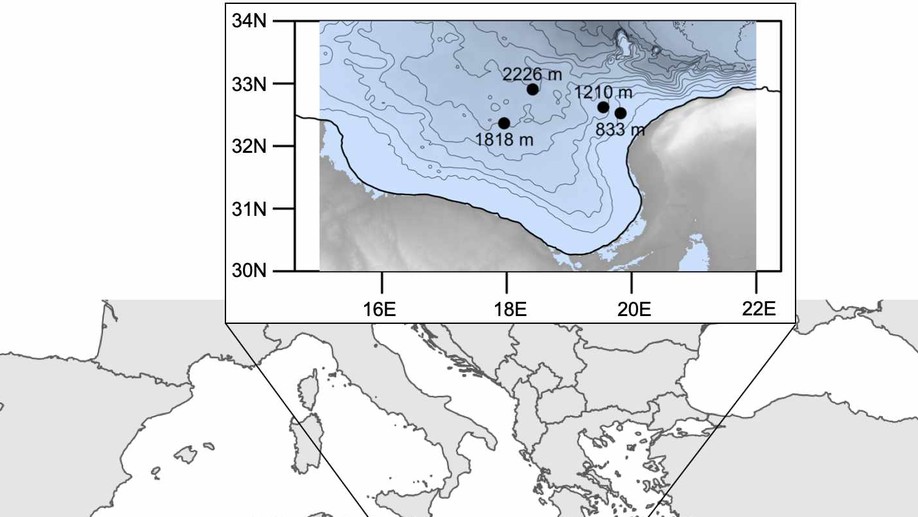
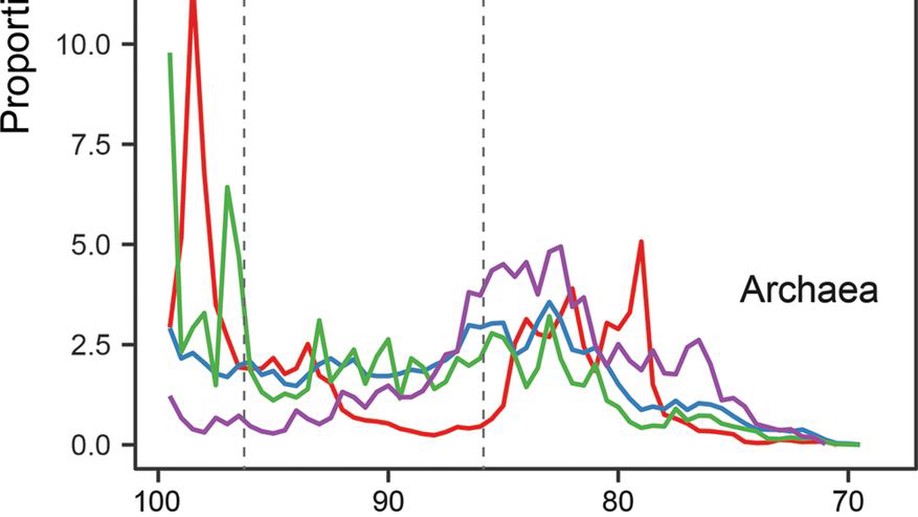
Deep-sea sediments are populated by diverse microbial communities that derive their nutritional requirements from the degradation of organic matter. Extracellular hydrolytic enzymes play a key role in the survival of microbes by enabling them to access and degrade complex organic compounds that are found in seafloor sediments. Despite their importance, extracellular enzymatic activity is poorly characterized at water depths greater than a few hundred meters where physical properties, such as pressure and temperature, create a unique environment for influencing enzyme behavior. Here, we investigated microbial communities and enzyme activities in surface sediment collected at four sampling stations in the central Mediterranean Sea at water depths ranging from 800 to 2200 m. Fluorometric assays revealed that extracellular hydrolytic activity varied according to substrate type and water depth which suggests that the distributions of these enzymes within this basin are not homogenous. Furthermore, enzyme activities indicated substantial demand for phosphomonoesters and proteins, with measurable but much lower demand for polysaccharides. Barcoded amplicon sequencing of bacterial and archaeal SSU genes revealed that microbial communities varied across sampling stations and some groups displayed water-depth related trends. Our results demonstrate that heterotrophic capabilities of microbes in deep-sea Mediterranean sediments can differ substantially even within the same region.
The concept of functional redundancy has received considerable attention in both the macroecology and microbial ecology literature. As a result, multiple metrics of functional redundancy have been proposed. These vary in how they weight trait levels, species abundance, functional richness, and species richness. Here we present a new functional redundancy metric tailored for community-aggregated traits, which are traits that are quantified at the community level and can be quantitatively partitioned among species. We call this metric Contribution Evenness (CE) because it measures how evenly species contribute to a community-aggregated trait. As CE is an evenness measurement, it ranges from and 1, where corresponds to a single species contributing to a community-aggregated trait and corresponds to all species contributing equally. Using in silico simulations of species extinctions, we demonstrate that CE reflects the stability of an ecosystem function to species extinction, a hypothesized ecological consequence of functional redundancy. As a positive control and to illustrate how CE can be used with sequence data, we analyzed the functional redundancy of eight nitrogen-transforming pathways using 2,631 metagenome-assembled genomes from marine sites. CE for marine nitrogen cycle marker genes was consistent with our qualitative understanding of which nitrogen pathways are most functionally redundant in the ocean. We found that, on average, the NH4 + assimilation pathway was the most functionally redundant (0.44 ± 0.08) while dissimilatory nitrate reduction was the least redundant (0.005 ± 0.005). As demonstrated here, CE provides a promising framework for measuring trait stability in microbiomes. (which was not certified by peer review) is the author/funder, who has…
This chapter is in Deep Carbon: Past to Present, Beth N. Orcutt, Isabelle Daniel, and Rajdeep Gupta, eds, to be published by Cambrdige University Press in October 2019.
Gene annotation has traditionally required direct comparison of DNA sequences between an unknown gene and a database of known ones using string comparison methods. However, these methods do not provide useful information when a gene does not have a close match in the database. In addition, each comparison can be costly when the database is large since it requires alignments and a series of string comparisons. In this work we propose a novel approach: using recurrent neural networks to embed DNA or amino-acid sequences in a low-dimensional space in which distances correlate with functional similarity. This embedding space overcomes both shortcomings of the method of aligning sequences and comparing homology. First, it allows us to obtain information about genes which do not have exact matches by measuring their similarity to other ones in the database. If our database is labeled this can provide labels for a query gene as is done in traditional methods. However, even if the database is unlabeled it allows us to find clusters and infer some characteristics of the gene population. In addition, each comparison is much faster than traditional methods since the distance metric is reduced to the Euclidean distance, and thus efficient approximate nearest neighbor algorithms can be used to find the best match. We present results showing the advantage of our algorithm. More specifically we show how our embedding can be useful for both classification tasks when our labels are known, and clustering tasks where our sequences belong to classes which have not been seen before.
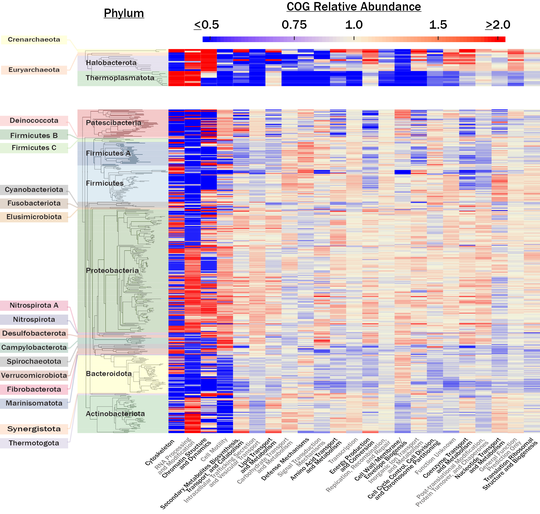
Widely used microbial taxonomies, such as the NCBI taxonomy, are based on a combination of sequence homology among conserved genes and historically accepted taxonomies, which were developed based on observable traits such as morphology and physiology. A recently proposed alternative taxonomy database, the Genome Taxonomy Database (GTDB), incorporates only sequence homology of conserved genes and attempts to partition taxonomic ranks such that each rank implies the same amount of evolutionary distance, regardless of its position on the phylogenetic tree. This provides the first opportunity to completely separate taxonomy from traits and therefore to quantify how taxonomic rank corresponds to traits across the microbial tree of life. We quantified the relative abundances of clusters of orthologous group functional categories (COG-FCs) as a proxy for traits within the lineages of 13,735 cultured and uncultured microbial lineages from a custom-curated genome database. On average, 41.4% of the variation in COG-FC relative abundance is explained by taxonomic rank, with domain, phylum, class, order, family, and genus explaining, on average, 3.2%, 14.6%, 4.1%, 9.2%, 4.8%, and 5.5% of the variance, respectively (P < 0.001 for all). To our knowledge, this is the first work to quantify the variance in metabolic potential contributed by individual taxonomic ranks. A qualitative comparison between the COG-FC relative abundances and genus-level phylogenies, generated from published concatenated protein sequence alignments, further supports the idea that metabolic potential is taxonomically coherent at higher taxonomic ranks. The quantitative analyses presented here characterize the integral relationship between diversification of microbial lineages and the metabolisms which they host.
Oceanic oil-degrading bacteria produce copious amounts of exopolymeric substances (EPS) that facilitate their access to oil. The fate of EPS in the water column is in part determined by activities of heterotrophic microbes capable of utilizing EPS compounds as carbon and energy sources. To evaluate the potential of natural microbial communities to degrade EPS produced during oil degradation, we measured potential hydrolysis rates of six structurally distinct polysaccharides in two roller bottle experiments, using water from a natural oil seep in the northern Gulf of Mexico. The suite of polysaccharides used to measure the initial step in carbon degradation is indicative of polymers within microbial EPS. The treatments included (i) unamended surface or deep waters (whole water), and water amended with (ii) a water-accommodated fraction of oil (WAF), (iii) oil dispersant Corexit 9500, and (iv) WAF chemically-enhanced with Corexit (CEWAF). The oil and Corexit treatments were employed to simulate conditions during the Deepwater Horizon oil spill. Polysaccharide hydrolysis rates in the surface-water treatments were lowest in the WAF treatment, despite elevated levels of EPS in the form of transparent exopolymer particles (TEP). In contrast, the three deep-water treatments (WAF, Corexit, CEWAF) showed enhanced hydrolysis rates and TEP levels (WAF) compared to the whole water. We also observed variations in the spectrum of polysaccharide-hydrolyzing enzyme activities among the treatments. These substrate specificities were likely driven by activities of oil-degrading bacteria, shaping the pool of EPS and TEP as well as degradation products of hydrocarbons and Corexit compounds. A model calculation of potential turnover rates of organic carbon within the TEP pool suggests extended residence times of TEP in oil-contaminated waters, making them prone to serve as the sticky matrix for oily aggregates known as marine oil snow.
We applied theoretical and simulation-based approaches to characterize how microbial community structure influences the amount of sequencing effort to reconstruct metagenomes that are assembled from short-read sequences. First, a coupon collector equation was proposed as an analytical model for predicting sequencing effort as a function of microbial community structure. Characterization was performed by varying community structure properties such as richness, evenness, and genome size. Simulations demonstrated that while community richness and evenness influenced the sequencing effort required to sequence a community metagenome to exhaustion, the effort necessary to sequence an individual genome to a target fraction of exhaustion depended only on the relative abundance of the ge- nome and its genome size. A second analysis evaluated the quantity, completion, and contamination of complete-metagenome-assembled genome equivalents, a bioinformatic pipeline normalized metric for metagenome-assembled genome (MAG) quantity, as a function of sequencing effort on four preexisting sequence read data sets from different environments. These data sets were subsampled to various degrees of completeness to simulate the effect of sequencing effort on MAG retrieval. Modeling suggested that sequencing efforts beyond what is typical in published experiments (1 to 10 Gbp) would generate diminishing returns in terms of MAG bin- ning. A software tool, Genome Relative Abundance to Sequencing Effort (GRASE), was created to assist investigators to further explore this relationship. Reevaluation of the relationship between sequencing effort and binning success in the context of genome relative abundance, as opposed to base pairs, provides a constraint on sequencing experiments based on the relative abundance of microbes in an environ- ment rather than arbitrary levels of sequencing effort.
A recent paper by Martiny argues that “high proportions” of bacteria in diverse Earth environments have been cultured. Here we reanalyze a portion of the data in that paper, and argue that the conclusion is based on several technical errors, most notably a calculation of sequence similarity that does not account for sequence gaps, and the reliance on 16S rRNA gene amplicons that are known to be biased towards cultured organisms. We further argue that the paper is also based on a conceptual error: namely, that sequence similarity cannot be used to infer “culturability” because one cannot infer physiology from 16S rRNA gene sequences. Combined with other recent, more reliable studies, the evidence supports the conclusion that most bacterial and archaeal taxa remain uncultured.
Anoxic subsurface sediments contain communities of heterotrophic microorganisms that metabolize organic carbon at extraordinarily slow rates. In order to assess the mechanisms by which subsurface microorganisms access detrital sedimentary organic matter, we measured kinetics of a range of extracellular peptidases in anoxic sediments of the White Oak River estuary, NC. Nine distinct peptidase substrates were enzymatically hydrolyzed at all depths. Potential peptidase activities (Vmax) decreased with increasing sediment depth, although Vmax expressed on a per cell basis was approximately the same at all depths. Half-saturation constants (Km) decreased with depth, indicating peptidases that functioned more efficiently at low substrate concentrations. Potential activities of extracellular peptidases acting on molecules that are enriched in degraded organic matter (D-phenylalanine and L-ornithine) increased relative to enzymes that act on L-phenylalanine, further suggesting microbial community adaptation to access degraded organic matter. Nineteen classes of predicted, exported peptidases were identified in genomic data from the same site, of which genes for class C25 (gingipain-like) peptidases represented more than 40% at each depth. Methionine aminopeptidases, zinc carboxypeptidases, and class S24-like peptidases, which are involved in single-stranded DNA repair, were also abundant. These results suggest a subsurface heterotrophic microbial community that primarily accesses low-quality detrital organic matter via a diverse suite of well-adapted extracellular enzymes.
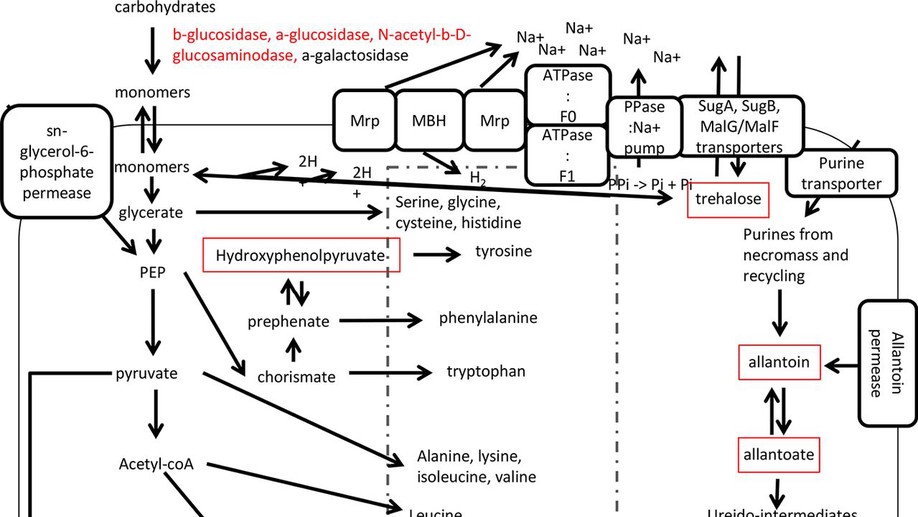
Energy-starved microbes in deep marine sediments subsist at near-zero growth for thousands of years, yet the mechanisms for their subsistence are unknown because no model strains have been cultivated from most of these groups. We investigated Baltic Sea sediments with single-cell genomics, metabolomics, metatranscriptomics, and enzyme assays to identify possible subsistence mechanisms employed by uncultured Atribacteria, Aminicenantes, Actinobacteria group OPB41, Aerophobetes, Chloroflexi, Deltaproteobacteria, Desulfatiglans, Bathyarchaeota, and Euryarchaeota marine group II lineages. Some functions appeared to be shared by multiple lineages, such as trehalose production and NAD+-consuming deacetylation, both of which have been shown to increase cellular life spans in other organisms by stabilizing proteins and nucleic acids, respectively. Other possible subsistence mechanisms differed between lineages, possibly providing them different physiological niches. Enzyme assays and transcripts suggested that Atribacteria and Actinobacteria group OPB41 catabolized sugars, whereas Aminicenantes and Atribacteria catabolized peptides. Metabolite and transcript data suggested that Atribacteria utilized allantoin, possibly as an energetic substrate or chemical protectant, and also possessed energy-efficient sodium pumps. Atribacteria single-cell amplified genomes (SAGs) recruited transcripts for full pathways for the production of all 20 canonical amino acids, and the gene for amino acid exporter YddG was one of their most highly transcribed genes, suggesting that they may benefit from metabolic interdependence with other cells. Subsistence of uncultured phyla in deep subsurface sediments may occur through shared strategies of using chemical protectants for biomolecular stabilization, but also by differentiating into physiological niches and metabolic interdependencies.
Geochemical models typically represent organic matter (OM) as consisting of multiple, independent pools of compounds, each accessed by microorganisms at different rates. However, recent findings indicate that organic compounds can interact within microbial metabolisms. The relevance of interactive effects within marine systems is debated and a mechanistic understanding of its complexities, including microbe-substrate relationships, is lacking. As a first step toward uncovering mediating processes, the interactive effects of distinct pools of OM on the growth and respiration of marine bacteria, individual strains and a simple, constructed community of Roseobacter lineage members were tested. Isolates were provided with natural organic matter (NOM) and different concentrations (1, 4, 40, 400 μM-C) and forms of labile OM (acetate, casamino acids, tryptone, coumarate). The microbial response to the mixed substrate regimes was assessed using viable counts and respiration in two separate experiments. Two marine bacteria and a six-member constructed community were assayed with these experiments. Both synergistic and antagonistic growth responses were evident for all strains, but all were transient. The specific substrate conditions promoting a response, and the direction of that response, varied amongst species. These findings indicate that the substrate conditions that result in OM interactive effects are both transient and species-specific and thus influenced by both the composition and metabolic potential of a microbial community.
To describe a microbe’s physiology, including its metabolism, environmental roles, and growth characteristics, it must be grown in a laboratory culture. Unfortunately, many phylogenetically novel groups have never been cultured, so their physiologies have only been inferred from genomics and environmental characteristics. Although the diversity, or number of different taxonomic groups, of uncultured clades has been studied well, their global abundances, or numbers of cells in any given environment, have not been assessed. We quantified the degree of similarity of 16S rRNA gene sequences from diverse environments in publicly available metagenome and metatranscriptome databases, which we show have far less of the culture bias present in primer-amplified 16S rRNA gene surveys, to those of their nearest cultured relatives. Whether normalized to scaffold read depths or not, the highest abundances of metagenomic 16S rRNA gene sequences belong to phylogenetically novel uncultured groups in seawater, freshwater, terrestrial subsurface, soil, hypersaline environments, marine sediment, hot springs, hydrothermal vents, nonhuman hosts, snow, and bioreactors (22% to 87% uncultured genera to classes and 0% to 64% uncultured phyla). The exceptions were human and human-associated environments, which were dominated by cultured genera (45% to 97%). We estimate that uncultured genera and phyla could comprise 7.3 × 1029 (81%) and 2.2 × 1029 (25%) of microbial cells, respectively. Uncultured phyla were overrepresented in metatranscriptomes relative to metagenomes (46% to 84% of sequences in a given environment), suggesting that they are viable. Therefore, uncultured microbes, often from deeply phylogenetically divergent groups, dominate nonhuman environments on Earth, and their undiscovered physiologies may matter for Earth systems.
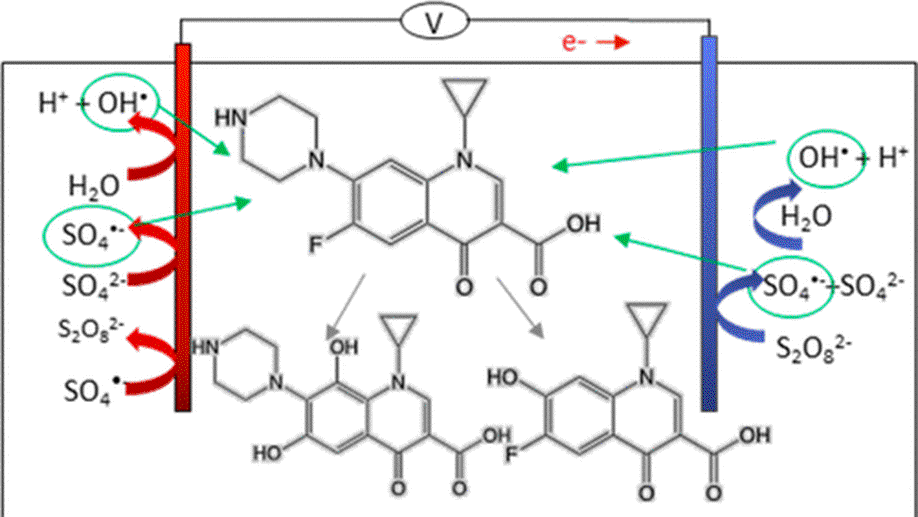
This study offers insight into the roles anodic and cathodic processes play in electrochemically activated persulfate (EAP) and screens EAP as a viable technique for ciprofloxacin degradation in wastewater. Sulfate radical formation at a boron-doped diamond (BDD) anode and persulfate activation at a graphite cathode were experimentally elucidated using different electrolytes and electrochemical setups. Rapid ciprofloxacin transformation occurred via pseudo-first-order mechanisms with respect to ciprofloxacin in persulfate electrolyte, reaching 84% removal in 120 min using EAP. Transformation pathways were compared to those in nitrate and sulfate electrolytes. Ciprofloxacin removal rates in the electrochemical system were 88% and 33% faster in persulfate than nitrate and sulfate electrolytes, respectively. Total organic carbon removal rates were 93% and 48% faster in persulfate than nitrate and sulfate, respectively. Use of sulfate electrolyte resulted in removal rates 6–7 times faster than those in nitrate solution. Accelerated removal in sulfate was attributed to anodic sulfate radical formation, while enhanced removal in persulfate was associated with cathodic persulfate activation and nonradical persulfate activation at the BDD anode. Quenching experiments indicated both sulfate radicals and hydroxyl radicals contributed to degradation. Comparisons between platinum and graphite cathodes showed similar cathodic persulfate activation and ciprofloxacin degradation.
Proteins constitute a particularly bioavailable subset of organic carbon and nitrogen in aquatic environments but must be hydrolyzed by extracellular enzymes prior to being metabolized by microorganisms. Activities of extracellular peptidases (protein-degrading enzymes) have frequently been assayed in freshwater systems, but such studies have been limited to substrates for a single enzyme [leucyl aminopeptidase (Leu-AP)] out of more than 300 biochemically recognized peptidases. Here, we report kinetic measurements of extracellular hydrolysis of five substrates in 28 freshwater bodies in the Delaware Water Gap National Recreation Area in the Pocono Mountains (PA, United States) and near Knoxville (TN, United States), between 2013 and 2016. The assays putatively test for four aminopeptidases (arginyl aminopeptidase, glyclyl aminopeptidase, Leu-AP, and pyroglutamyl aminopeptidase), which cleave N-terminal amino acids from proteins, and trypsin, an endopeptidase, which cleaves proteins mid-chain. Aminopeptidase and the trypsin-like activity were observed in all water bodies, indicating that a diverse set of peptidases is typical in freshwater. However, ratios of peptidase activities were variable among sites: aminopeptidases dominated at some sites and trypsin-like activity at others. At a given site, the ratios remained fairly consistent over time, indicating that they are driven by ecological factors. Studies in which only Leu-AP activity is measured may underestimate the total peptidolytic capacity of an environment, due to the variable contribution of endopeptidases.
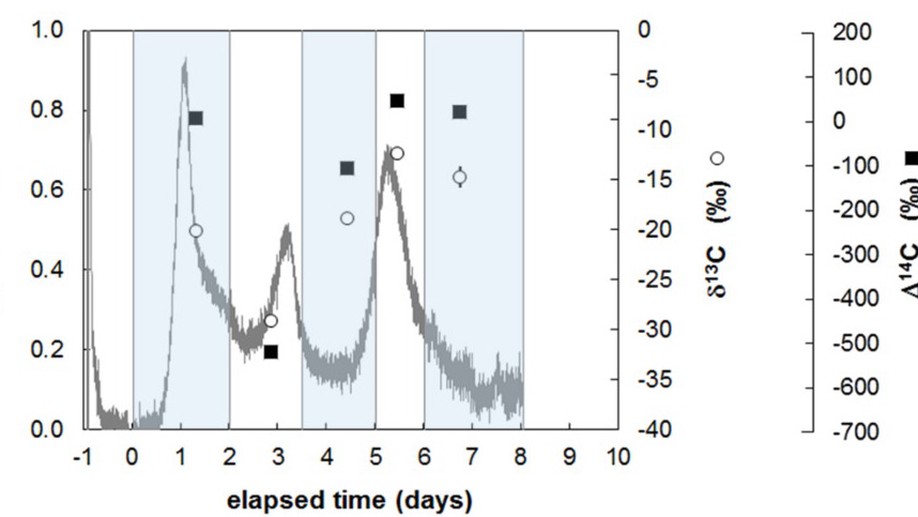
Aquatic sediments harbour diverse microbial communities that mediate organic matter degradation and influence biogeochemical cycles. The pool of bioavailable carbon continuously changes as a result of abiotic processes and microbial activity. It remains unclear how microbial communities respond to heterogeneous organic matrices and how this ultimately affects heterotrophic respiration. To explore the relationships between the degradation of mixed carbon substrates and microbial activity, we incubated batches of organic‐rich sediments in a novel bioreactor (IsoCaRB) that permitted continuous observations of CO2 production rates, as well as sequential sampling of isotopic signatures (δ13C, Δ14C), microbial community structure and diversity, and extracellular enzyme activity. Our results indicated that lower molecular weight (MW), labile, phytoplankton‐derived compounds were degraded first, followed by petroleum‐derived exogenous pollutants, and finally by higher MW polymeric plant material. This shift in utilization coincided with a community succession and increased extracellular enzyme activities. Thus, sequential utilization of different carbon pools induced changes at both the community and cellular level, shifting community composition, enzyme activity, respiration rates, and residual organic matter reactivity. Our results provide novel insight into the accessibility of sedimentary organic matter and demonstrate how bioavailability of natural organic substrates may affect the function and composition of heterotrophic bacterial populations.
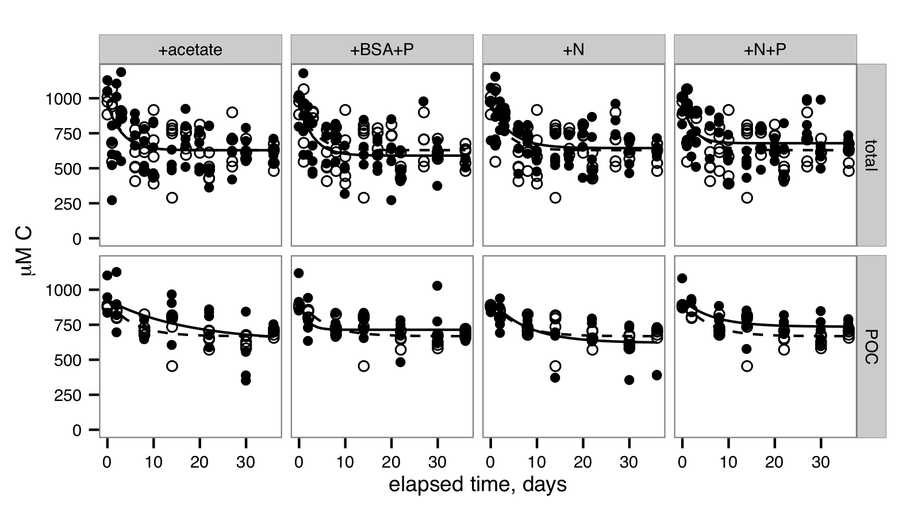
The “priming effect,” in which addition of labile substances changes the remineralization rate of recalcitrant organic matter, has been intensively studied in soils, but is less well-documented in aquatic systems. We investigated the extent to which additions of nutrients or labile organic carbon could influence remineralization rates of 14C-labeled, microbially-degraded, phytoplankton-derived organic matter (OM) in microcosms inoculated with microbial communities drawn from Grove Creek Estuary in coastal Georgia, USA. We found that amendment with labile protein plus phosphorus increased remineralization rates of degraded, phytoplankton-derived OM by up to 100%, whereas acetate slightly decreased remineralization rates relative to an unamended control. Addition of ammonium and phosphate induced a smaller effect, whereas addition of ammonium alone had no effect. Counterintuitively, alkaline phosphatase activities increased in response to the addition of protein under P-replete conditions, indicating that production of enzymes unrelated to the labile priming compound may be a mechanism for the priming effect. The observed priming effect was transient: after 36 days of incubation roughly the same quantity of organic carbon had been mineralized in all treatments including no-addition controls. This timescale is on the order of the typical hydrologic residence times of well-flushed estuaries suggesting that priming in estuaries has the potential to influence whether OC is remineralized in situ or exported to the coastal ocean.
The identities and biochemical properties of extracellular enzymes present in natural environments are poorly constrained. We used a series of competitive inhibition experiments with samples from a freshwater environment (the Tennessee River at Knoxville, TN, USA) and a marine environment (Bogue Sound, NC, USA) to characterize the range of substrate specificities of naturally occurring enzymes that hydrolyze L-leucine 7-amido-4-methylcoumarin (Leu-AMC), L‑proline-AMC (Pro-AMC), and L-arginine-AMC (Arg-AMC)—putative substrates for leucyl-aminopeptidase, prolyl-aminopeptidase, and arginyl-aminopeptidase, respectively. Extracellular peptidases which hydrolyzed Arg-AMC and Leu-AMC demonstrated affinity for up to 8 other amino acids, whereas those hydrolyzing Pro-AMC in the Tennessee River, and Arg-AMC at Bogue Sound, were more specific to proline and arginine, respectively. Patterns of substrate affinity showed that Leu-AMC (at both sampling sites) and Arg-AMC (at Bogue Sound) were primarily hydrolyzed by enzymes other than leucyl-aminopeptidase and arginyl-aminopeptidase, respectively. The set of naturally occurring peptidases in both environments showed greater affinity towards a subset of amino acids. These amino acids were on average larger, yielded more free energy from oxidation to CO2, and tended to be depleted in aged organic matter. These relationships indicate that pathways of amino acid diagenesis are at least partially controlled by the substrate specificities of the peptidases involved in protein degradation.
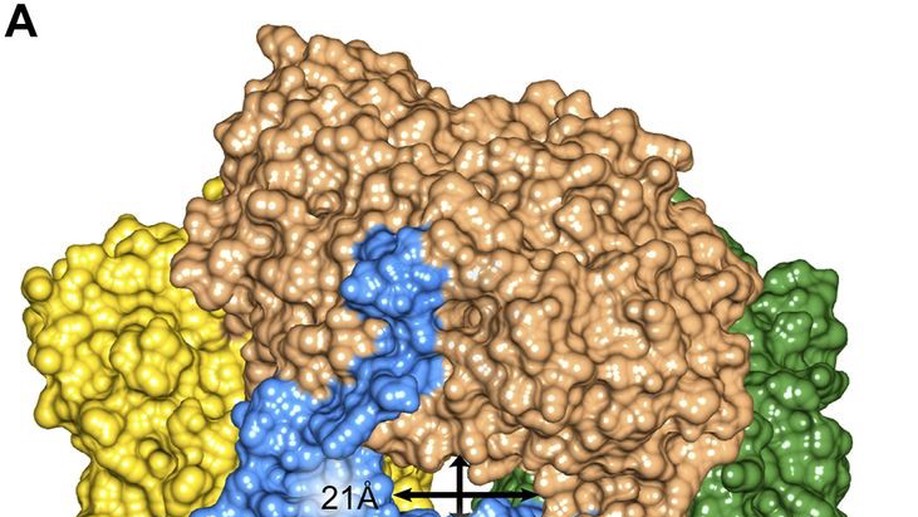
Marine sediments host a large population of diverse, heterotrophic, uncultured microorganisms with unknown physiologies that control carbon flow through organic matter decomposition. Recently, single-cell genomics uncovered new key players in these processes, such as the miscellaneous crenarchaeotal group. These widespread archaea encode putative intra- and extracellular proteases for the degradation of detrital proteins present in sediments. Here, we show that one of these enzymes is a self-compartmentalizing tetrameric aminopeptidase with a preference for cysteine and hydrophobic residues at the N terminus of the hydrolyzed peptide. The ability to perform detailed characterizations of enzymes from native subsurface microorganisms, without requiring that those organisms first be grown in pure culture, holds great promise for understanding key carbon transformations in the environment as well as identifying new enzymes for biomedical and biotechnological applications.
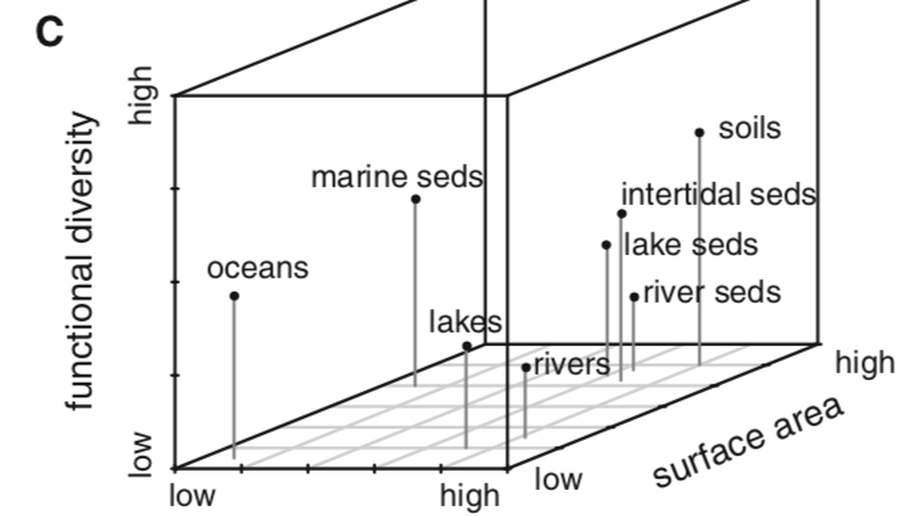
Extracellular enzymes produced by heterotrophic microbial communities are major drivers of carbon and nutrient cycling in terrestrial, freshwater, and marine environments. Although carbon and nutrient cycles are coupled on global scales, studies of extracellular enzymes associated with terrestrial, freshwater, and marine microbial communities are not often compared across ecosystems. In part, this disconnect arises because the environmental parameters that control enzyme activities in terrestrial and freshwater systems, such as temperature, pH, and moisture content, have little explanatory power for patterns of enzyme activities in marine systems. Instead, factors such as the functional diversity of microbial communities may explain varying patterns of enzyme activities observed in the ocean to date. In any case, many studies across systems focus on similar issues that highlight the commonalities of microbial community organization. Examples include the effective lifetime of enzymes released into the environment; the extent to which microbial communities coordinate enzyme expression to decompose complex organic substrates; and the influence of microbial community composition on enzyme activities and kinetics. Here we review the often-disparate research foci in terrestrial, freshwater, and marine environments. We consider the extent to which environmental factors may regulate extracellular enzyme activities within each ecosystem, and highlight commonalities and current methodological challenges to identify research questions that may aid in integrating crosssystem perspectives in the future.
In Arctic marine bacterial communities, members of the phylum Verrucomicrobia are consistently detected, although not typically abundant, in 16S rRNA gene clone libraries and pyrotag surveys of the marine water column and in sediments. In an Arctic fjord (Smeerenburgfjord) of Svalbard, members of the Verrucomicrobia, together with Flavobacteria and smaller proportions of Alpha- and Gammaproteobacteria, constituted the most frequently detected bacterioplankton community members in 16S rRNA gene-based clone library analyses of the water column. Parallel measurements in the water column of the activities of six endo-acting polysaccharide hydrolases showed that chondroitin sulfate, laminarin, and xylan hydrolysis accounted for most of the activity. Several Verrucomicrobia water column phylotypes were affiliated with previously sequenced, glycoside hydrolase-rich genomes of individual Verrucomicrobia cells that bound fluorescently labeled laminarin and xylan and therefore constituted candidates for laminarin and xylan hydrolysis. In sediments, the bacterial community was dominated by different lineages of Verrucomicrobia, Bacteroidetes, and Proteobacteria but also included members of multiple phylum-level lineages not observed in the water column. This community hydrolyzed laminarin, xylan, chondroitin sulfate, and three additional polysaccharide substrates at high rates. Comparisons with data from the same fjord in the previous summer showed that the bacterial community in Smeerenburgfjord changed in composition, most conspicuously in the changing detection frequency of Verrucomicrobia in the water column. Nonetheless, in both years the community hydrolyzed the same polysaccharide substrates.
The identities and biochemical properties of extracellular enzymes present in natural environments are poorly constrained. We used a series of competitive inhibition experiments with samples from a freshwater environment (the Tennessee River at Knoxville, TN, USA) and a marine environment (Bogue Sound, NC, USA) to characterize the range of substrate specificities of naturally occurring enzymes that hydrolyze L-leucine 7-amido-4-methylcoumarin (Leu-AMC), L‑proline-AMC (Pro-AMC), and L-arginine-AMC (Arg-AMC)—putative substrates for leucyl-aminopeptidase, prolyl-aminopeptidase, and arginyl-aminopeptidase, respectively. Extracellular peptidases which hydrolyzed Arg-AMC and Leu-AMC demonstrated affinity for up to 8 other amino acids, whereas those hydrolyzing Pro-AMC in the Tennessee River, and Arg-AMC at Bogue Sound, were more specific to proline and arginine, respectively. Patterns of substrate affinity showed that Leu-AMC (at both sampling sites) and Arg-AMC (at Bogue Sound) were primarily hydrolyzed by enzymes other than leucyl-aminopeptidase and arginyl-aminopeptidase, respectively. The set of naturally occurring peptidases in both environments showed greater affinity towards a subset of amino acids. These amino acids were on average larger, yielded more free energy from oxidation to CO2, and tended to be depleted in aged organic matter. These relationships indicate that pathways of amino acid diagenesis are at least partially controlled by the substrate specificities of the peptidases involved in protein degradation.
The ratios of D- versus L-amino acids can be used to infer the sources and composition of sedimentary organic matter. Such inferences, however, rely on knowing the rates at which amino acids in sedimentary organic matter racemize abiotically between the D- and the L-forms. Based on a heating experiment, we report kinetic parameters for racemization of aspartic acid, glutamic acid, serine, and alanine in bulk sediment from Aarhus Bay, Denmark, taken from the surface, cm, and cm depth below seafloor. Extrapolation to a typical cold deep sea sediment temperature of uC suggests racemization rate constants of 0.50 25–1161025 yr21. These results can be used in conjunction with measurements of sediment age to predict the ratio of D:L amino acids due solely to abiotic racemization of the source material, deviations from which can indicate the abundance and turnover of active microbial populations.
Measurements of the spectrum of extracellular enzymes present in an environment can indicate the nature of organic substrates available to microorganisms. We report the activities in an Arctic fjord (Smeerenburgfjord, Svalbard) of the extracellular carbohydrate hydrolases α-galactosidase, β-glucosidase, and chitobiase, and the extracellular peptidases leucyl amino - peptidase, trypsin, and chymotrypsin. Among the carbohydrate hydrolases, β-glucosidase had the highest potential activity. Although extracellular leucyl aminopeptidase is frequently assayed in marine systems, activities of other peptidases have only rarely been reported. Peptidase activities were higher than carbohydrate hydrolase activities by approximately orders of magnitude. Activities of leucyl aminopeptidase (an exopeptidase which cleaves terminal residues from a pro- tein) were higher than trypsin and chymotrypsin (both endopeptidases which cleave interior bonds). In contrast to previous measurements from coastal, temperate environments, potential activity of leucyl aminopeptidase in Smeerenburg was higher than that of the endopeptidases trypsin and of chymotrypsin. These results suggest that leucyl aminopeptidase may not always be a reliable proxy for the total peptidolytic potential of microbial communities. KEY WORDS: Extracellular enzymes · Microbial loop · Proteinase · Beta-glucosidase · Chitinase Resale or republication not permitted without written consent of the publisher Aquat Microb Ecol 69: 93–99, Peptidase activity in seawater is most frequently measured using a single substrate analog, L-leucine- 7-amido-4-methylcoumarin (leu-MCA). Leu-MCA re ports the activity of leucyl aminopeptidase (En - zyme Commission [EC] no. 3.4.11.1). Leucyl amino - peptidase, however, represents only a small…
Heterotrophic microbial communities contain substantial functional diversity, so studies of community function often generate multivariate data sets. Techniques for data reduction and analysis can help elu- cidate qualitative differences among sites from multivariate data sets that may be difficult to grasp intu- itively from raw data. The Shannon index is one such technique, used commonly in ecological studies to quantify species evenness. Here, the Shannon index is used to compare quantitatively the extent to which complex microbial communities vary in their capability to access polysaccharides. It is maximized when hydrolysis rates for all polysaccharides are equal and minimized when the range among individual hydrolysis rates at a given site is large. Application of the technique to depth profiles of polysaccharide hydrolysis rates from four distinct pelagic marine environments indicates that, in three of four cases, sur- face water communities accessed substrates at a more even rate than in deeper waters. The technique could usefully be applied to other types of data obtained in studies of microbial activity and the geochem- ical effects. /C2112010 Elsevier Ltd. All rights reserved.
Extracellular enzymatic hydrolysis of high-molecular weight organic matter is the initial step in sedimentary organic car- bon degradation and is often regarded as the rate-limiting step. Temperature effects on enzyme activities may therefore exert an indirect control on carbon mineralization. We explored the temperature sensitivity of enzymatic hydrolysis and its connec- tion to subsequent steps in anoxic organic carbon degradation in long-term incubations of sediments from the Arctic and the North Sea. These sediments were incubated under anaerobic conditions for months at temperatures of 0, 10, and /C176C. The short-term temperature response of the active microbial community was tested in temperature gradient block incuba- tions. The temperature optimum of extracellular enzymatic hydrolysis, as measured with a polysaccharide (chondroitin sul- fate), differed between Arctic and temperate habitats by about 8–13 /C176C in fresh sediments and in sediments incubated for months. In both Arctic and temperate sediments, the temperature response of chondroitin sulfate hydrolysis was initially similar to that of sulfate reduction. After months, however, hydrolysis outpaced sulfate reduction rates, as demonstrated by increased concentrations of dissolved organic carbon (DOC) and total dissolved carbohydrates. This effect was stronger at higher incubation temperatures, particularly in the Arctic sediments. In all experiments, concentrations of volatile fatty acids (VFA) were low, indicating tight coupling between VFA production and consumption. Together, these data indicate that long-term incubation at elevated temperatures led to increased decoupling of hydrolytic DOC production relative to fermen- tation. Temperature increases in marine sedimentary environments may thus…
Current approaches to measure the activities of microbial extracellular enzymes in aquatic environments are hampered by slow throughput or by differences between the structure of simple substrate proxies and macromolecules. Here we show that measurements of fluorescence anisotropy can be used to deter- mine the hydrolysis rate of two fluorescently labeled polysaccharides, laminarin and xylan, in environ- mental samples. A simple analysis shows that the anisotropy of these fluorescently labeled polysaccharides can be approximated using a modification of the Perrin equation. /C2112008 Elsevier Inc. All rights reserved. The rates and structural specificities of microbial extracellular enzymes help to control the bioavailability and turnover of high- molecular-weight dissolved organic matter (DOM) in natural waters [1]. The most widely used method to assess these enzyme activities is based on small substrate proxies (e.g., 4-methylumbel- liferyl-b-d-glucopyranoside [2], l-leucine-7-amido-4-methylcouma- rin [3]) that consist of a monomer bound to a fluorophore that fluoresces when the fluorophore–monomer bond is cleaved. This method is inexpensive, precise, and rapid, but the structural differ- ences between macromolecules and small substrate proxies mean that many aspects of enzyme structural selectivity cannot be ex- plored, and the hydrolysis rates obtained with these substrate prox- ies may differ from those measured with the corresponding polymer [4]. Furthermore, small substrate proxies can diffuse into cellular periplasm, so they may record a combination of extracellular and periplasmic enzymatic activity [5]. An alternative approach is to measure directly, either by chromatographic analysis [6–8] or by electron paramagnetic resonance (EPR) spectroscopy [9], changes…
The interactions between heterotrophic microbes and high-molecular-weight (HMW) dissolved organic carbon in estuaries are complex and poorly understood. This study examined the co upling between hydrolysis of HMW carbohydrates (polysaccharides) and uptake of monosaccharides by bacte rioplankton along a salinity gradient in the Chesapeake Bay water column and nearby coastal waters in order to evalu ate the potential importance of polysaccharides as a carbon source for the estuarine microbial loop. We me asured the rates of enzymatic hydrolysis of six polysaccharides (arabinogalactan, chondroitin sulfa te, fucoidin, laminarin, pullulan, and xylan) as well as total carbohydrate and monosaccharide concentrations, bacter ioplankton abundance, and monosaccharide assimilation rates. Enzymatic hydrolysis rates were suf ficiently rapid to produce on a daily basis 40–62% of the monosaccharides present in Chesapeake Bay surface waters but a lowe r percentage (23%)o f monosaccharides present in surface water on the continental shelf. Rates of both monosaccharide assimilation and polysaccharide hydrolysis were markedly lower on the continental she lf than in the Chesapeake Bay. These measurements suggest that at the time of sampling, polysaccharides in the Chesapeake Bay were rapidly recycled, while rates of cycling were considerably slower on the nearby continental shelf. In contrast to the apparently rapid turnover of bulk polysaccharides, hydrolysis of two polysaccharides, pu llulan and chondroitin sulfate, was essentially undetectable, implying that those substrates would be unava ilable to the microbial communities sampled on a timescale of d. Estuaries function as complex, dynamic bioreactors processing organic matter. Input of organic matter from terrestrial sources…