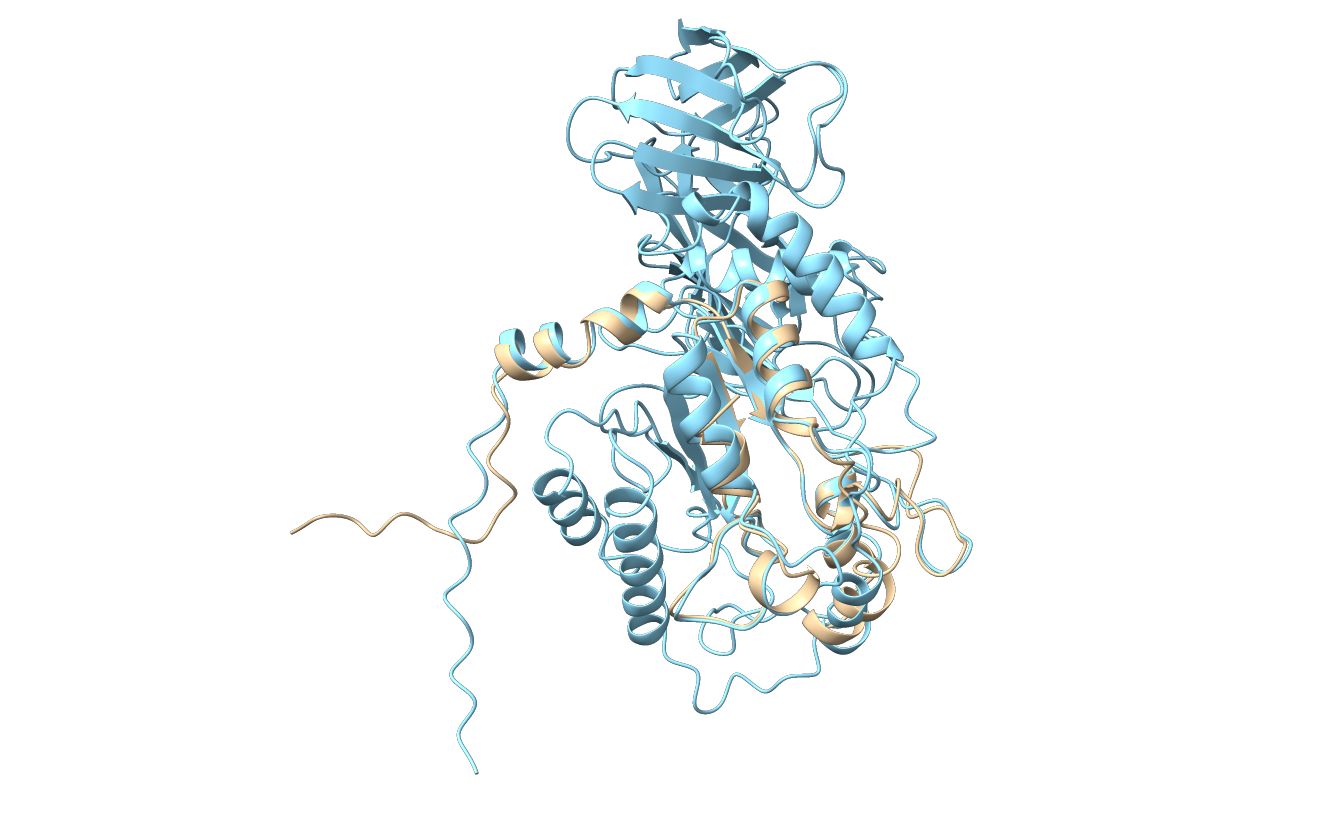
Evolution in subsurface sediments looks pretty weird: there’s very little in the way of immigration or emigration, and arguably very little evolution because subsurface microbes divide so slowly. However, heterotrophic microbes in the subsurface do appear to show adaptations to the subsurface environment, including extracellular enzymes tailored to degrade organic matter and highly stable extracellular enzymes that provide long-term returns to slowly-metabolizing cells.
NSF CAREER Award
Drew Steen was awarded an NSF CAREER grant (Award #2145434) to study this issue more directly. We collect samples from the Gulf of Alaska and study the stability of enzymes in sediments using theoretical and experimental methods to better understand:
- How subsurface microbial communities evolve over geological timescales
- To what extent enzyme stability is a driver of community evolution
- The relationship between enzyme structure and organic matter quality in the deep biosphere
This work bridges evolutionary biology, geochemistry, and structural biology to provide a unified view of how life persists in the deep subsurface.